What’s actually in your sanitary pads?
It’s not a question most people think about. You grab a pack, trust that it’s safe, and move on with your day. After all, these are products used by millions of South African women every single month.
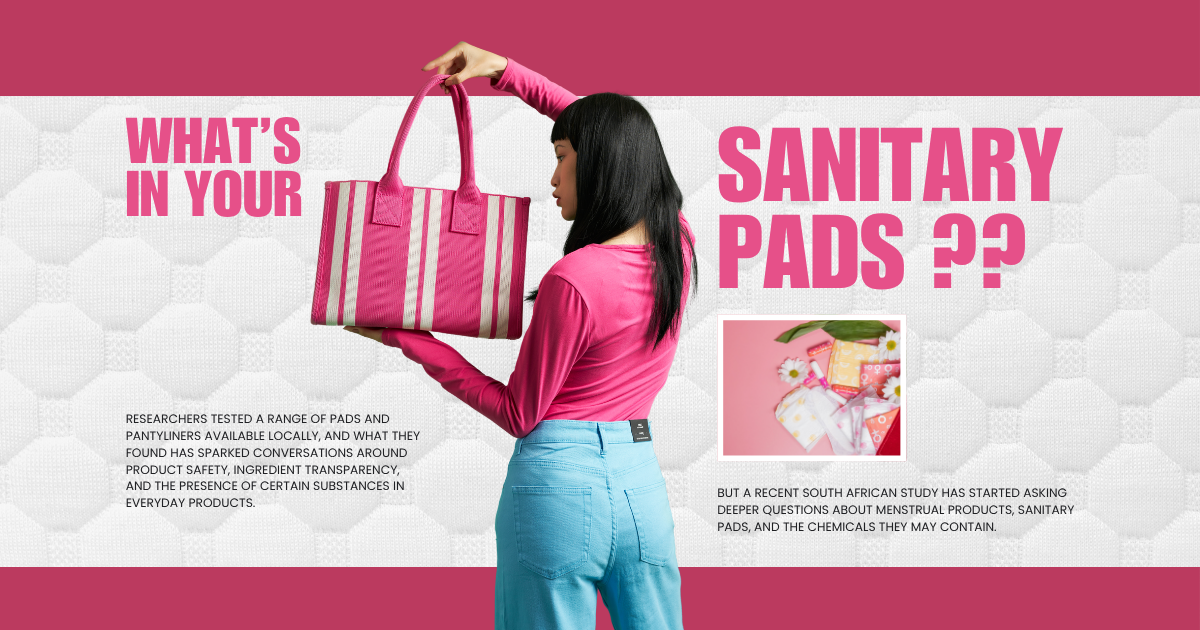
But a recent South African study has started asking deeper questions about menstrual products, sanitary pads, and the chemicals they may contain.
Researchers tested a range of pads and pantyliners available locally, and what they found has sparked conversations around product safety, ingredient transparency, and the presence of certain substances in everyday products.
So… what were they actually looking for?
What did the study look for?
The researchers weren’t just randomly testing sanitary products. They were specifically looking for certain types of chemicals commonly used in everyday items such as plastics, packaging, cosmetics, and personal care products.
These included:
- Phthalates
- Bisphenols
- Parabens
These are not unusual substances. In fact, they are widely used across many industries. But what makes them important is how they interact with the body.
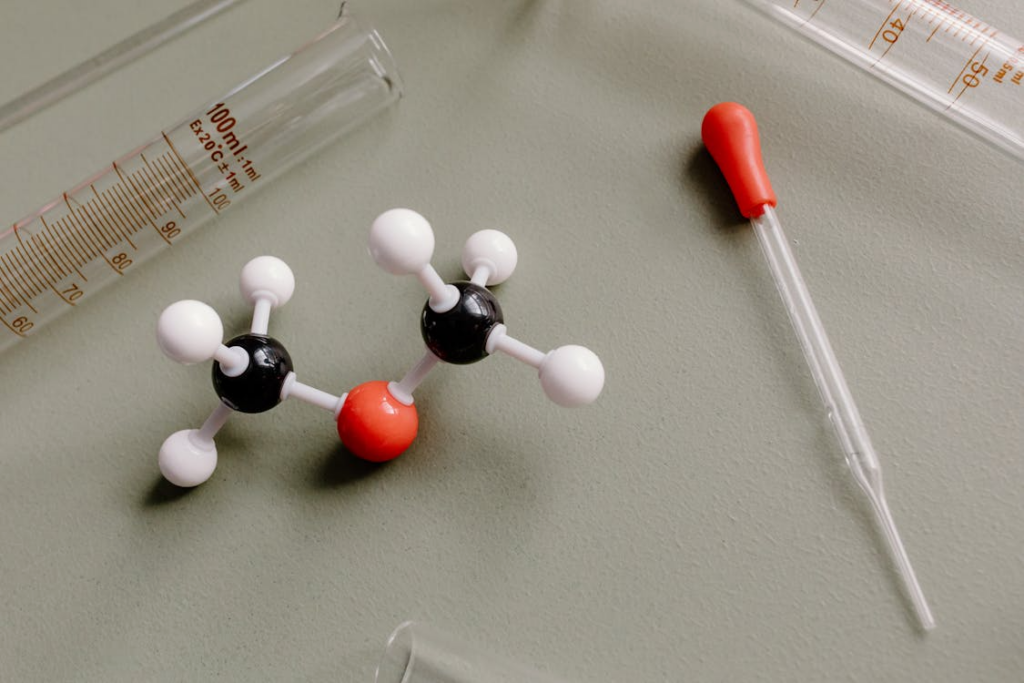
These types of detected chemicals are known as endocrine-disrupting chemicals.
What are endocrine disruptors?
Endocrine disrupting chemicals are substances that can interfere with your body’s hormone system.
Hormones control a lot more than we think, from your menstrual cycle and fertility to mood, metabolism, and overall balance. So when certain chemicals mimic or block natural hormones, they may disrupt how the body functions.

Some of the most common endocrine disruptors include:
- Phthalates (often used in plastics and fragrances)
- Bisphenols (like BPA, used in plastics and resins)
- Parabens (used as preservatives in personal care products)
Because these harmful substances are found in so many everyday products, exposure usually doesn’t come from just one thing. It builds up over time.
That’s why researchers are paying more attention to toxic chemicals in products that are used frequently, especially those that come into close contact with sensitive areas of the body, like sanitary pads and a panty liner.
What did the South African sanitary pads study investigate?
The study aimed to understand whether sanitary pads South Africa chemicals include endocrine disruptors, and if so, how much exposure they might cause.
Researchers tested:
- 16 sanitary pads
- 8 pantyliners
All products were bought from a South African retailer and included a mix of popular sanitary pad brands across different price ranges.
They focused only on the top layer (the part that directly touches the skin) and tested for 20 different chemicals across the three main groups: phthalates, parabens, and bisphenols.
They also estimated how much of these harmful chemicals could be absorbed through the skin during regular use.
What did the South African sanitary pads study find?
The study found that all tested products contained endocrine-disrupting chemicals.
Every single pad and liner contained at least two types of these chemicals, and many pantyliners contained all three groups.
Some key findings:
- Pantyliners
- 100% contained phthalates
- 75% contained bisphenols
- 75% contained parabens
- Sanitary pads
- 50% contained phthalates
- 100% contained bisphenols
- 80% contained parabens
The study also found that:
- Phthalates were more common in liners
- Bisphenols were more dominant in pads
- BPA (a type of bisphenol) was one of the main contributors
When researchers estimated exposure levels:
- Parabens were well below safety thresholds
- Individual phthalates were also below limits, but their combined exposure became more significant
- Bisphenols, especially BPA, exceeded recommended safety thresholds under the study’s assumptions
Now this part is VERY important:
The study doesn’t prove that using sanitary pads causes disease. It doesn’t accuse any brands of wrongdoing. It also doesn’t say products should be removed from the market.
What it does highlight is that sanitary products may be an overlooked source of exposure to harmful substances, and that more research, transparency, and updated safety standards may be needed.
What can you do?
Okay… so now what?
First things first: don’t panic. Truly.
This study is about awareness, not fear. You don’t need to throw away all your pads or overhaul your life overnight. Instead, think of this as a gentle nudge to become a more informed and empowered consumer.
Here are a few simple ways to approach this:
1. Be a curious consumer
Start paying a bit more attention to what your sanitary products claim. Some products highlight being fragrance-free, cotton-based, or made with fewer additives. While this doesn’t guarantee they are free from all chemicals, it can help guide your choices.

2. Explore alternative menstrual products
If it feels right for you, you can explore options like:
- Period underwear
- Menstrual cups
- Reusable cloth pads
Different options work for different people. There’s no “one right way.” Comfort, accessibility, and affordability all matter.
3. Think about overall exposure
Remember, exposure to toxic chemicals doesn’t come from one product alone. It comes from many everyday products over time. So even small shifts in your routine can make a difference.
4. Stay informed about product safety
Conversations around product safety, the Consumer Protection Act, and oversight from bodies such as the National Consumer Commission are important. These systems exist to protect consumers, and awareness can help push for stronger standards and transparency.
5. Give yourself grace
You don’t need to become perfect overnight. Awareness is step one. Small, intentional changes over time are more than enough.
Take care of your well-being
Now that you’re more aware of your well-being, this is a beautiful opportunity to reconnect with yourself more deeply.
Because wellness isn’t just about avoiding harmful chemicals, it’s also about how you feel in your body, how you care for yourself, and how safe and supported you feel in your everyday life.
This might look like:
- Slowing down during your cycle
- Listening to your body more closely
- Creating small rituals of self-care
- Exploring your relationship with your body and pleasure
The Playtime Company has some beautiful resources to support you on this journey. You can explore articles like:
- Dealing with Sexual Shame
- Struggling With the Orgasm Gap?
- Reconnect With Your V to Reclaim Your Pleasure
- Maximising Sexual Pleasure
- Taking Care of Yourself After a BreakUp
- Common STIs: Separating Fact from Fiction for Better Sexual Wellness
And others that focus on self-love, body awareness, and emotional well-being. Because being informed is powerful, but feeling connected to yourself is just as important.
FAQ
Are all menstrual products unsafe?
No. The study highlights potential exposure to endocrine-disrupting chemicals, but it does not label products as unsafe.
Should I stop using sanitary pads?
There’s no recommendation to stop using sanitary pads. The study encourages awareness, not panic.
What are the main concerns from the study?
The main concern is long-term, repeated exposure to small amounts of harmful substances from multiple sources.
Who regulates sanitary products in South Africa?
Consumer concerns may fall under frameworks like the Consumer Protection Act, with oversight linked to the National Consumer Commission, though chemical-specific regulations may still be evolving.
Let the Playtime Company help you with your wellness
At The Playtime Company, wellness is about feeling informed, empowered, and connected to your body. Not overwhelmed.
As conversations around sanitary pads, South African chemicals, menstrual products, and toxic chemicals continue, we’re here to support you with content that helps you feel grounded, curious, and confident in your choices.
From self-love and pleasure to body awareness and well-being, we’re here to walk that journey with you — every step of the way.
References:
Blignaut, J., Kemp, G., Erasmus, E., Visser, H. G.Visser, & Schutte-Smith, M. (2026). The presence of endocrine disrupting chemicals in sanitary pads: A study done in South Africa. Science of the Total Environment, 1018, 181510. https://www.sciencedirect.com/science/article/pii/S0048969726001701